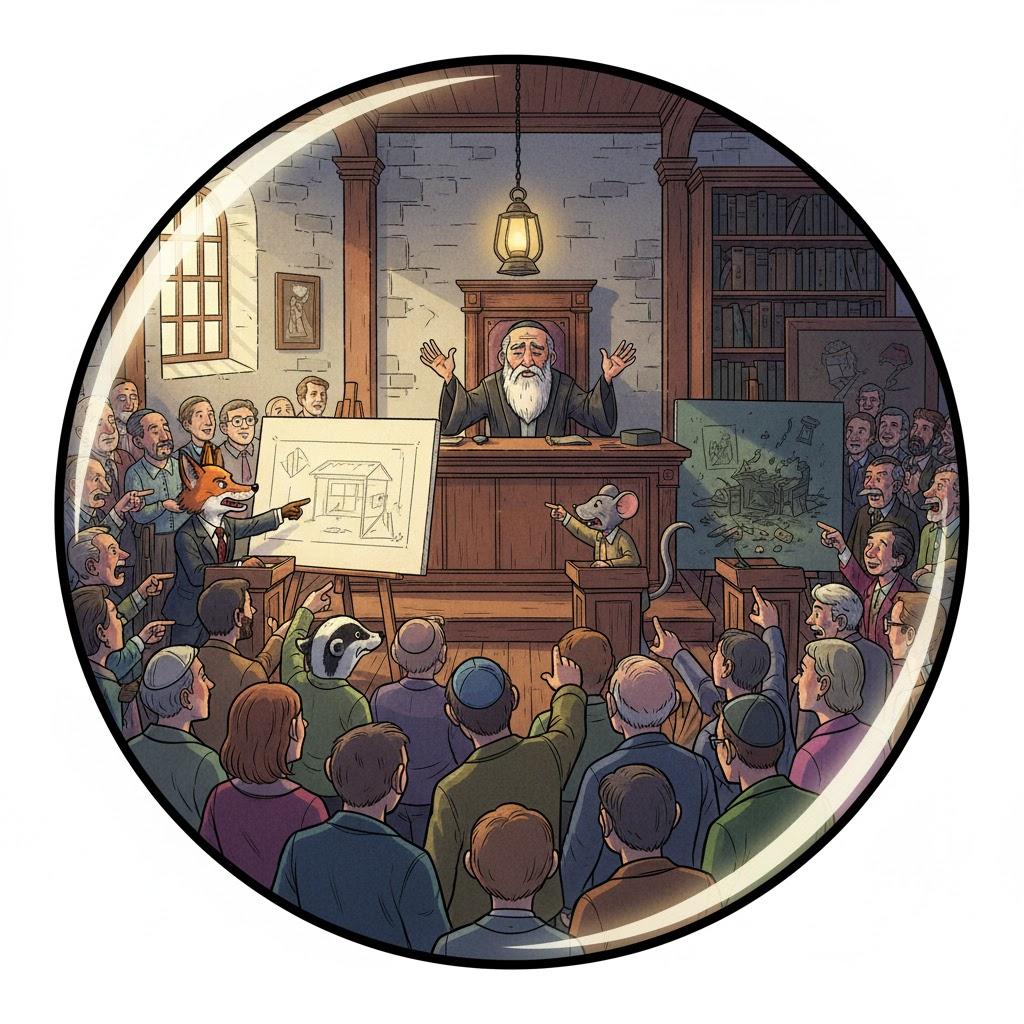
אֵין לוֹ לַדַּיָּין אֶלָּא מָה שֶּׁרוֹאוֹת עֵינָיו
לַשּׁוֹפֵט יֵשׁ אַךְ וְרַק אֶת הָרְאָיוֹת הַמִּשְׁפָּטִיּוֹת הַקְּבִילוֹת שֶׁהוּבְאוּ לְנֶגֶד עֵינָיו, וְרַק עַל פִּיהֶן הוּא יָכוֹל לִפְסֹק אֶת הַדִּין. הַשּׁוֹפֵט אֵינוֹ יָכוֹל לְהִתְבַּסֵּס בְּהַחְלָטוֹתָיו עַל הוֹכָחוֹת שֶׁלֹּא הוּבְאוּ לִידִיעָתוֹ.
("שֶׁמָּא יֹאמַר הדיין מַה לִי בְּצַעַר הַזֶּה,תַּלְמוּד לוֹמַר "עִמָּכֶם בַּדָּבָר מִשְׁפַּט"- אֵין לוֹ לדיין אֶלָּא מַה שֶּׁעֵינָיו רוֹאוֹת"- סַנְהֶדְרִין ו ע"ב, וְכֵן:"הַמְּצִיאוּת בְּשֶׁלָּהּ וכח הַדִּמְיוֹן בְּשֶׁלּוֹ.דַּיָּן זֶה אֵין לוֹ אֶלָּא מַה שֶּׁעֵינָיו שֶׁלּוֹ רוֹאוֹת. ועיניו שֶׁלּוֹ הָיוּ רוֹאוֹת ודנות אֶת הַכֹּל"- בְּיָאלִיק/ המליץ, הצפירה וְצֶבַע הנייר, וְכֵן:"הָאָדָם רוֹאֶה לעיניים, וְאֵין לוֹ לדיין אֶלָּא מַה שֶּׁעֵינָיו רוֹאוֹת, ולפיהן ישפוט...וכשיצא אָמַר לוֹ, תָּנוּחַ דַּעְתְּךָ שֶׁהִנַּחְתָּ אֶת דַּעְתִּי"- מָרְדְּכַי בֶּן יְחֶזְקֵאל/ סֵפֶר הַמַּעֲשִׂיּוֹת חֵלֶק רְבִיעִי, המדקדק עִם עַצְמוֹ כחוט השערה, 210)
תרגום
ביטוי (אנגלית)
A judge has only what his eyes see
הגדרה (אנגלית)
A judge has only the admissible legal evidence presented before his eyes, and only based on that can he render judgment. The judge cannot base his decisions on proofs that were not brought to his attention.
("Lest the judge say, 'Why should I bother with this trouble?', the Torah says, 'With you in the matter of judgment'—a judge has only what his eyes see"—Sanhedrin 6b. Also: "Reality remains, imagination remains. This judge has only what his own eyes see. And his eyes saw and judged everything"—Bialik / The Adviser, HaTzafira and the Color of Paper. Also: "Man sees with his eyes, and a judge has only what his eyes see, and by them he will judge... And when he left, he was told, 'May your mind be at ease, for you have put my mind at ease'"—Mordechai ben Yechezkel / The Storybook, Part Four, The One Who Judged Himself Finely, p. 210)